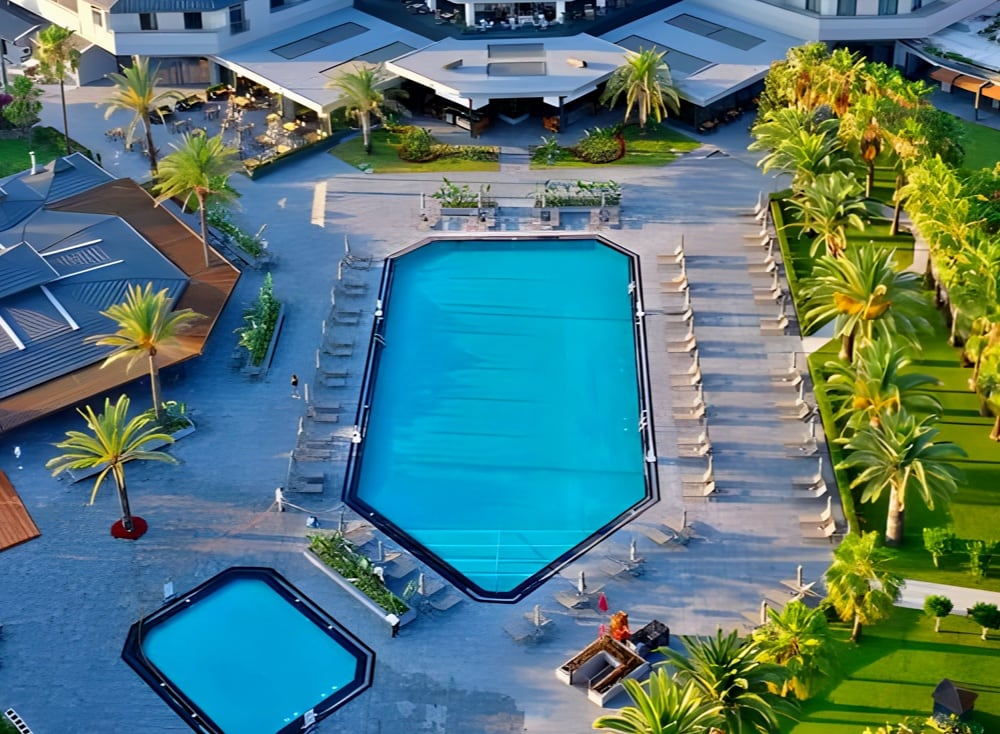
Beirut
Beirut, Lebanon is a vibrant and bustling city that offers visitors a unique blend of history, culture, and modernity. With its stunning Mediterranean coastline, world-class restaurants, and vibrant nightlife, Beirut is fast becoming one of the trendiest tourist destinations in the Middle East.
Visitors to Beirut can explore the city's rich history by visiting the National Museum of Beirut or the iconic Pigeon Rocks. The city is also home to numerous historic churches and mosques, including the Al Omari Mosque and St. George's Greek Orthodox Cathedral.
Those looking for a taste of Beirut's renowned cuisine won't be disappointed either. From delicious street food to high-end restaurants, Beirut offers a wide range of culinary delights. And after dinner, visitors can take in the city's lively nightlife at one of the many bars and clubs scattered throughout the city.
With its combination of welcoming locals, stunning architecture, and rich cultural heritage, Beirut is a must-see destination for anyone looking to experience the magic of the Middle East.
Visitors to Beirut can explore the city's rich history by visiting the National Museum of Beirut or the iconic Pigeon Rocks. The city is also home to numerous historic churches and mosques, including the Al Omari Mosque and St. George's Greek Orthodox Cathedral.
Those looking for a taste of Beirut's renowned cuisine won't be disappointed either. From delicious street food to high-end restaurants, Beirut offers a wide range of culinary delights. And after dinner, visitors can take in the city's lively nightlife at one of the many bars and clubs scattered throughout the city.
With its combination of welcoming locals, stunning architecture, and rich cultural heritage, Beirut is a must-see destination for anyone looking to experience the magic of the Middle East.
Description made by ChatGPT
Food in Beirut
Welcome to Beirut, Lebanon! You'll find a vibrant food scene here that reflects the country's rich history and cultural influences. Lebanese cuisine is famous for its fresh ingredients, variety of vegetarian and meat dishes, and unique flavors. Here are some must-try food recommendations for tourists in Beirut:
1. Hummus - A creamy dip made from chickpeas, tahini, lemon juice, garlic and olive oil. It’s usually served as an appetizer with pita bread and fresh vegetables.
2. Manousheh - A traditional Lebanese street food that’s a cross between a pizza and a flatbread. Topped with za’atar (a mixture of dried thyme, sumac, and sesame seeds) or cheese, it’s a popular breakfast item.
3. Falafel - Deep-fried balls made from ground chickpeas or fava beans, and flavored with herbs and spices. Served as a sandwich with tahini sauce, vegetables, and pickles.
4. Kebabs - Grilled meat, chicken or lamb, marinated in a mixture of spices, olive oil, and lemon juice. Best enjoyed with a side of tabbouleh (a salad made from parsley, bulgur wheat, and tomatoes).
5. Moutabbal - A smoky, creamy dip made from grilled eggplants, tahini, garlic, and lemon juice. Served with fresh pita bread or as a side dish.
6. Shawarma - Thinly sliced meat (beef, chicken, or lamb) roasted on a spit and wrapped in a bread roll with lettuce, tomatoes, onions, and a tahini or garlic sauce.
7. Lebanese sweets - Arabic sweets are famous for their rich, sweet, and syrupy flavors. Try baklava (phyllo pastry layered with nuts and honey syrup) or knefeh (a sweet cheese pastry topped with crispy vermicelli and syrup).
In Beirut, you'll find a range of food options from casual street food stalls to fine dining restaurants, and everything in between. Eating local will give you a chance to enjoy the authentic Lebanese cuisine and experience the culture first-hand. Enjoy your culinary adventure in Beirut!
1. Hummus - A creamy dip made from chickpeas, tahini, lemon juice, garlic and olive oil. It’s usually served as an appetizer with pita bread and fresh vegetables.
2. Manousheh - A traditional Lebanese street food that’s a cross between a pizza and a flatbread. Topped with za’atar (a mixture of dried thyme, sumac, and sesame seeds) or cheese, it’s a popular breakfast item.
3. Falafel - Deep-fried balls made from ground chickpeas or fava beans, and flavored with herbs and spices. Served as a sandwich with tahini sauce, vegetables, and pickles.
4. Kebabs - Grilled meat, chicken or lamb, marinated in a mixture of spices, olive oil, and lemon juice. Best enjoyed with a side of tabbouleh (a salad made from parsley, bulgur wheat, and tomatoes).
5. Moutabbal - A smoky, creamy dip made from grilled eggplants, tahini, garlic, and lemon juice. Served with fresh pita bread or as a side dish.
6. Shawarma - Thinly sliced meat (beef, chicken, or lamb) roasted on a spit and wrapped in a bread roll with lettuce, tomatoes, onions, and a tahini or garlic sauce.
7. Lebanese sweets - Arabic sweets are famous for their rich, sweet, and syrupy flavors. Try baklava (phyllo pastry layered with nuts and honey syrup) or knefeh (a sweet cheese pastry topped with crispy vermicelli and syrup).
In Beirut, you'll find a range of food options from casual street food stalls to fine dining restaurants, and everything in between. Eating local will give you a chance to enjoy the authentic Lebanese cuisine and experience the culture first-hand. Enjoy your culinary adventure in Beirut!
Description made by ChatGPT
Amazing places to visit in Beirut
Beirut, the capital city of Lebanon, is a fascinating destination for tourists. The city boasts a blend of European and Middle Eastern cultures and offers a unique experience to visitors. There are several notable attractions that one must see while touring Beirut.
First on the list is the National Museum of Beirut, which is a rich repository of archaeological treasures. The museum boasts a comprehensive collection of artifacts from various civilizations that have shaped the history of Lebanon. Visitors can view pieces ranging from prehistoric times to the Ottoman period, including majestic mosaics and the famous sarcophagi of Canaanite kings.
Another must-visit site in Beirut is the Mohammad Al-Amin Mosque. The mosque is known for its stunning architecture, and visitors can climb to the top of the minaret for a spectacular panoramic view of the city. There is also a serene courtyard where visitors can relax and take in the peaceful atmosphere.
If you are looking for a vibrant shopping experience, a visit to the Beirut Souks is a must. The souks are home to several luxury shops, local boutiques, and other retail outlets. Visitors can also sample some of the local delicacies and enjoy the relaxed atmosphere.
The Raouche Rocks, also known as the Pigeon Rocks, are a natural wonder that one should not miss while touring Beirut. The giant rock formations stand majestically on the coastline, offering a breathtaking view of the Mediterranean Sea. Visitors can also take boat tours around the rocks to experience their full splendor.
Finally, a visit to the historic district of Gemmayzeh is highly recommended. The neighborhood is renowned for its picturesque alleyways, colorful storefronts, graffiti-covered walls, and vibrant nightlife. It's a perfect place for tourists to experience the local food and culture.
In conclusion, Beirut is a must-visit destination for tourists seeking a mix of history, culture, and cosmopolitan atmosphere. The city offers a unique experience that is sure to leave visitors with unforgettable memories.
First on the list is the National Museum of Beirut, which is a rich repository of archaeological treasures. The museum boasts a comprehensive collection of artifacts from various civilizations that have shaped the history of Lebanon. Visitors can view pieces ranging from prehistoric times to the Ottoman period, including majestic mosaics and the famous sarcophagi of Canaanite kings.
Another must-visit site in Beirut is the Mohammad Al-Amin Mosque. The mosque is known for its stunning architecture, and visitors can climb to the top of the minaret for a spectacular panoramic view of the city. There is also a serene courtyard where visitors can relax and take in the peaceful atmosphere.
If you are looking for a vibrant shopping experience, a visit to the Beirut Souks is a must. The souks are home to several luxury shops, local boutiques, and other retail outlets. Visitors can also sample some of the local delicacies and enjoy the relaxed atmosphere.
The Raouche Rocks, also known as the Pigeon Rocks, are a natural wonder that one should not miss while touring Beirut. The giant rock formations stand majestically on the coastline, offering a breathtaking view of the Mediterranean Sea. Visitors can also take boat tours around the rocks to experience their full splendor.
Finally, a visit to the historic district of Gemmayzeh is highly recommended. The neighborhood is renowned for its picturesque alleyways, colorful storefronts, graffiti-covered walls, and vibrant nightlife. It's a perfect place for tourists to experience the local food and culture.
In conclusion, Beirut is a must-visit destination for tourists seeking a mix of history, culture, and cosmopolitan atmosphere. The city offers a unique experience that is sure to leave visitors with unforgettable memories.
Description made by ChatGPT
Best time to travel
Beirut, Lebanon is a fascinating city that has seen its fair share of turmoil over recent years. If you're planning a visit, you'll want to know what the best time to visit is for tourists. Generally, the best time to visit Beirut is during the months of March to May and September to November, when the temperatures are cooler and the crowds are thinner.
In the springtime, the weather is mild with occasional showers, and the flowers are in full bloom, making it a great time to explore the city's parks and gardens. Autumn, on the other hand, is characterized by warm and dry weather, and the foliage becomes even more vibrant.
Summer can be quite hot and humid, with temperatures often soaring to 40°C (104°F) and higher. Additionally, locals tend to head to the beach during this time, making some areas of the city feel somewhat deserted. However, if you don't mind the heat, you'll be rewarded with plenty of lively street scenes, outdoor cafes, and festivals.
Winter can be a good time to visit if you don't mind the cold and occasional rain. The mountains around the city become snow-capped and offer great skiing opportunities, while the holiday season brings Christmas markets and plenty of festivities.
Ultimately, the best time to visit Beirut, Lebanon depends on your personal preferences and interests. Make sure to do your research before you go and plan your trip accordingly.
In the springtime, the weather is mild with occasional showers, and the flowers are in full bloom, making it a great time to explore the city's parks and gardens. Autumn, on the other hand, is characterized by warm and dry weather, and the foliage becomes even more vibrant.
Summer can be quite hot and humid, with temperatures often soaring to 40°C (104°F) and higher. Additionally, locals tend to head to the beach during this time, making some areas of the city feel somewhat deserted. However, if you don't mind the heat, you'll be rewarded with plenty of lively street scenes, outdoor cafes, and festivals.
Winter can be a good time to visit if you don't mind the cold and occasional rain. The mountains around the city become snow-capped and offer great skiing opportunities, while the holiday season brings Christmas markets and plenty of festivities.
Ultimately, the best time to visit Beirut, Lebanon depends on your personal preferences and interests. Make sure to do your research before you go and plan your trip accordingly.
Description made by ChatGPT